
Wrist, hand and forearm fractures can happen very fast. One small slip, fall, or wrong move can cause a big injury. These parts of your body are very important. You use them every day for writing, eating, lifting and working.
The good news is that many fractures can be prevented. With small habits and care, you can protect your hands, wrists and forearms from injury.
At Garden State Hand Therapy, we help people keep their hands and wrists strong and safe.
Below are easy ways to protect yourself every day.
Why Wrist, Hand, and Forearm Fractures Happen
Before learning prevention, it is important to know why these injuries happen.
Most fractures happen because of:
- Falling on an outstretched hand
- Slipping on wet floors
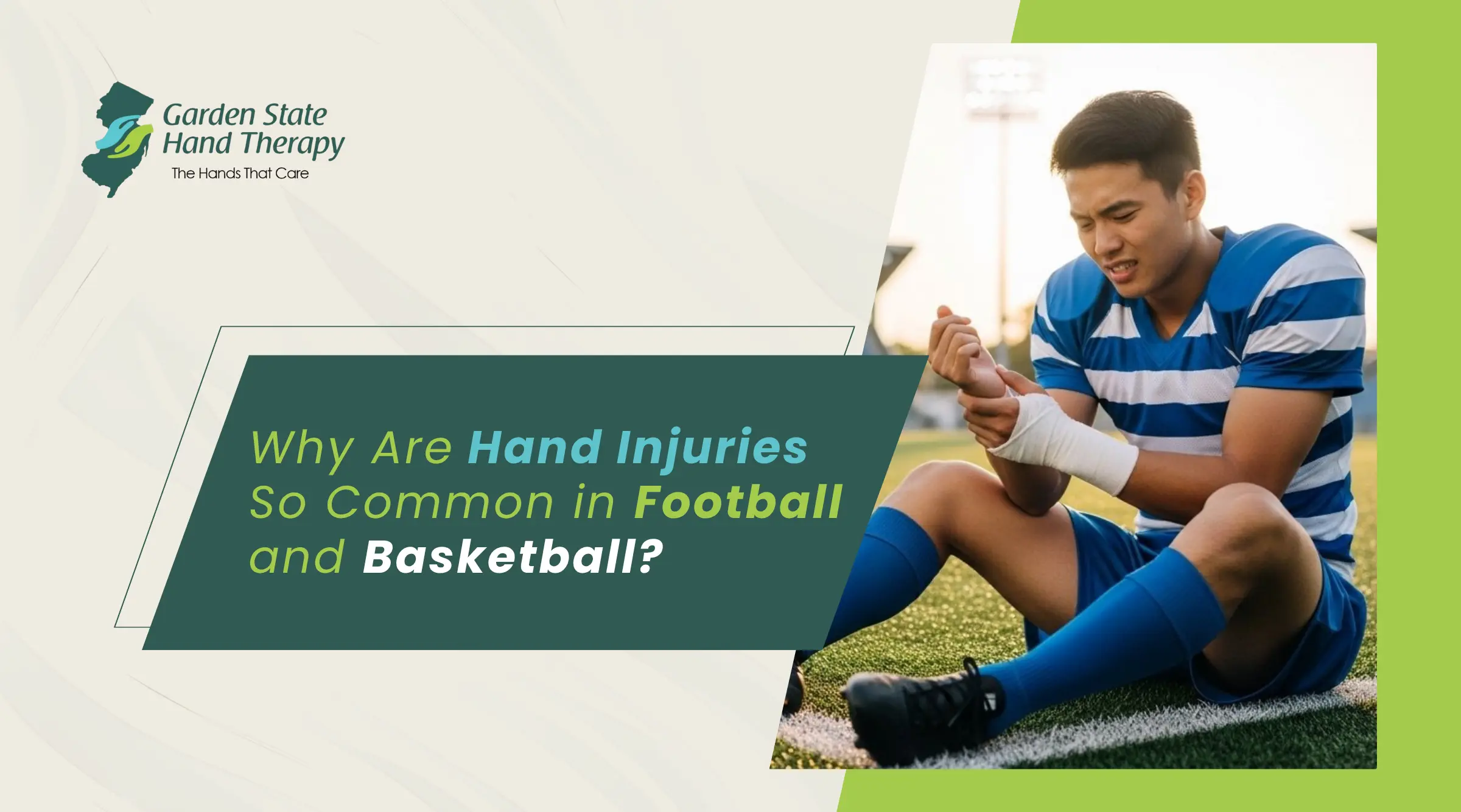
- Sports wrist injuries and related accidents
- Lifting heavy objects the wrong way
- Not using safety gear
- Weak bones or poor balance
Even a small fall can cause a serious injury.
How Can You Prevent Wrist, Hand and Forearm Fractures in Daily Life?
Be Careful While Walking and Moving
Many fractures happen because people fall. Reducing the risk is possible by:
- Wearing shoes with a good grip
- Keeping floors dry and clean
- Removing small objects from walking paths
- Turning on the lights in dark areas
- Walking slowly up the stairs
Don’t rush, particularly in congested or wet areas. Walking slowly can help prevent falls.
Use Proper Safety during Sports
Sports are fun, but they can also increase your wrist, forearm and hand risk if you are not careful.
To stay safe:
- Warm up before playing
- Use wrist guards if needed
- Learn correct techniques
- Do not push your body too hard
- Take breaks when tired
Sports like skating, football and basketball can cause falls. Safety gear helps protect you from various types of wrist injuries and symptoms.
Lift Objects the Right Way
Many people hurt their wrists and forearms while lifting things.
Follow these simple steps:
- Keep the object close to your body
- Use both hands when possible
- Do not twist your wrist while lifting
- Ask for help if something is too heavy
Wrong lifting puts pressure on your bones and joints. Good technique protects your arms.
Keep Your Bones Strong
Strong bones break less easily. To support bone health and prevent a severe fracture of the hand bones:
- Drinking milk
- Eating yogurt and cheese
- Getting vitamin D from sunlight
- Eating fruits and vegetables
- Drinking plenty of water
- Staying active
Healthy bones are stronger and safer.
Improve Balance and Strength
Good balance helps you avoid falls. Strong hand muscles and tendons protect your bones. You can:
You can:
- Practice simple balance exercises
- Walk regularly
- Stretch your arms and legs
- Strengthen grip with light exercises
Even small daily movements can make your body more stable.
Be Careful at Work or School
Many injuries happen during work or school activities.
To stay safe:
- Keep your desk area clean
- Do not carry too many items at once
- Sit in good posture
- Take short breaks if using your hands a lot
- Use proper tools for tasks
Small habits can prevent big injuries.
Avoid Overuse Injuries
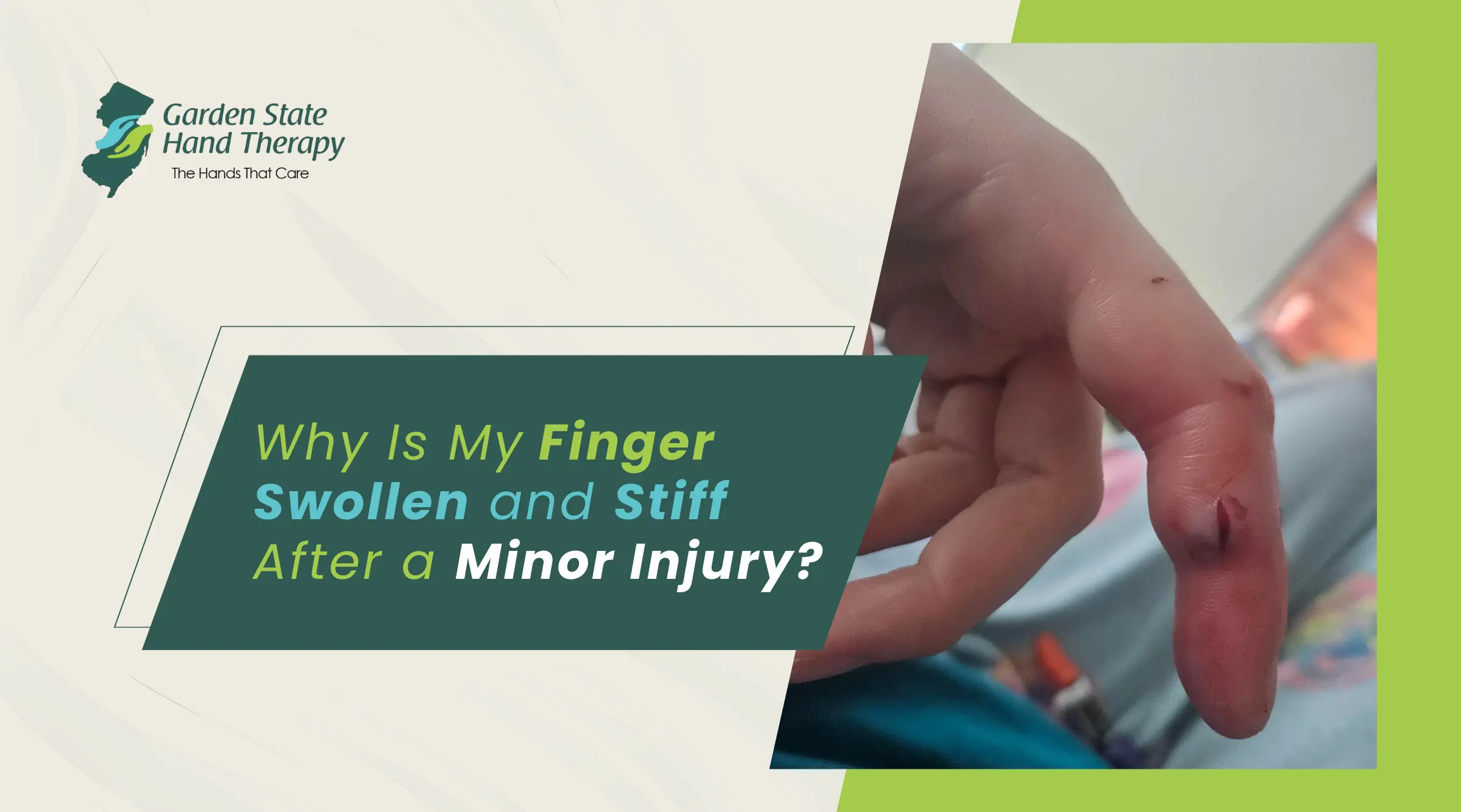
Using your hands too much without rest can also cause problems, leading to stiffness and pain in the thumb joint area. Signs of overuse include:
- Pain in the wrist or hand
- Weak grip
- Stiff fingers
- Swelling
To prevent this and learn how to reduce wrist pain:
- Take short breaks often
- Stretch your hands
- Change positions during work
- Do not ignore early pain
Rest helps your body stay healthy.
Protect Your Hands in Daily Life
Simple habits can keep your hands safe every day:
- Do not run on slippery floors
- Hold railings on stairs
- Use both hands for heavy bags
- Keep your phone use balanced
- Avoid sudden, strong movements
These small steps reduce the chance of injury.
What to Do If You Suspect an Injury in the Hand, Wrist and Forearm
Sometimes accidents still happen.
If you feel pain or swelling:
- Stop using the hand or wrist
- Apply ice gently
- Keep the arm raised
- Avoid pressure on the area
- Seek medical help quickly
Early care helps prevent worse damage.
When You Should Seek Help
See a doctor if:
- The pain does not get better
- The swelling gets worse
- You cannot move your wrist or hand
- The area looks bent or unusual
Experts like doctors who specialize in hands, wrists and forearms can find the exact problem and guide proper treatment.
Early care helps avoid long-term damage.
How Professional Care Helps Recovery and Prevention
When your hand, wrist, or forearm is hurt, it needs the right care to heal well. Good care also helps stop future injuries.
At Garden State Hand Therapy, we provide one-on-one care from Certified Hand Therapists and licensed physical and occupational therapists. Each treatment plan is made based on the person’s needs.
We help you:
- Move your hand better
- Make your grip stronger
- Feel less pain
- Use your hand safely every day
We also use special tools and methods, such as:
- Custom static and dynamic splints to support your hand
- Manual therapy techniques to help with healing
- Strengthening exercises
- Ergonomic training for safe daily work
We help many people, like athletes, workers and anyone healing from an injury. Our goal is to help you use your hand normally again.
We also teach you how to avoid getting hurt again. This helps keep your hands, wrists and forearms strong and healthy for a long time.
Final Thoughts
A wrist, hand, or forearm fracture can make daily life hard. But many injuries can be stopped before they happen.
You can help keep your bones strong by staying active and being careful every day.
Strong bones and safe habits help keep your hands, wrists and arms healthy.
Take the Next Step for Your Hand Health
If you’re in pain or recovering from an injury, Garden State Hand Therapy can help. Our highly trained therapists design individual plans of care to support easier, safer recovery.
Call Garden State Hand Therapy today. We are here to help you move and heal better.
FAQs
When should I see a doctor for wrist swelling and redness?
See your doctor if you have wrist pain, swelling, bruising, or can’t use it.
Why do I have sudden wrist pain with no injury?
Sudden wrist pain may be due to overuse, inflammation, or nerve pressure. If pain persists, consult a specialist.