
Tendon pain can feel scary. It can make simple things hard, like holding a cup or typing on a phone. Here, we explain why tendons hurt in simple terms and how Garden State Hand Therapy can help.
What Is a Tendon?
A tendon is like a strong rope. It joins muscle to bone. Tendons help you move your fingers, wrist, elbow and shoulder. When a tendon is OK, it is easy to move. When it is sore, it is called tendon inflammation or tendinitis.
Common Causes of Tendon Inflammation
- Overuse.
Doing the same move again and again can tire a tendon. This is common with typing, using tools, or sports. Repeated movement can cause tiny tears. The tendon then gets swollen and painful. - Sudden injury.
A quick pull or fall can hurt a tendon. The tendon can tear or stretch. This causes pain and swelling right away. - Bad posture or weak muscles.
If muscles are weak or your wrist and arm are not lined up well, tendons get extra stress. This wears them out over time. - Age.
As people get older, tendons lose some elastic power. They get weaker and can be hurt more easily. - Medical conditions.
Some illnesses can make tendons more likely to get inflamed. Also, some medicines can make tendon problems happen more.
Where Tendon Pain Happens
Tendon pain often shows up in places we use a lot:
- Wrist and hand
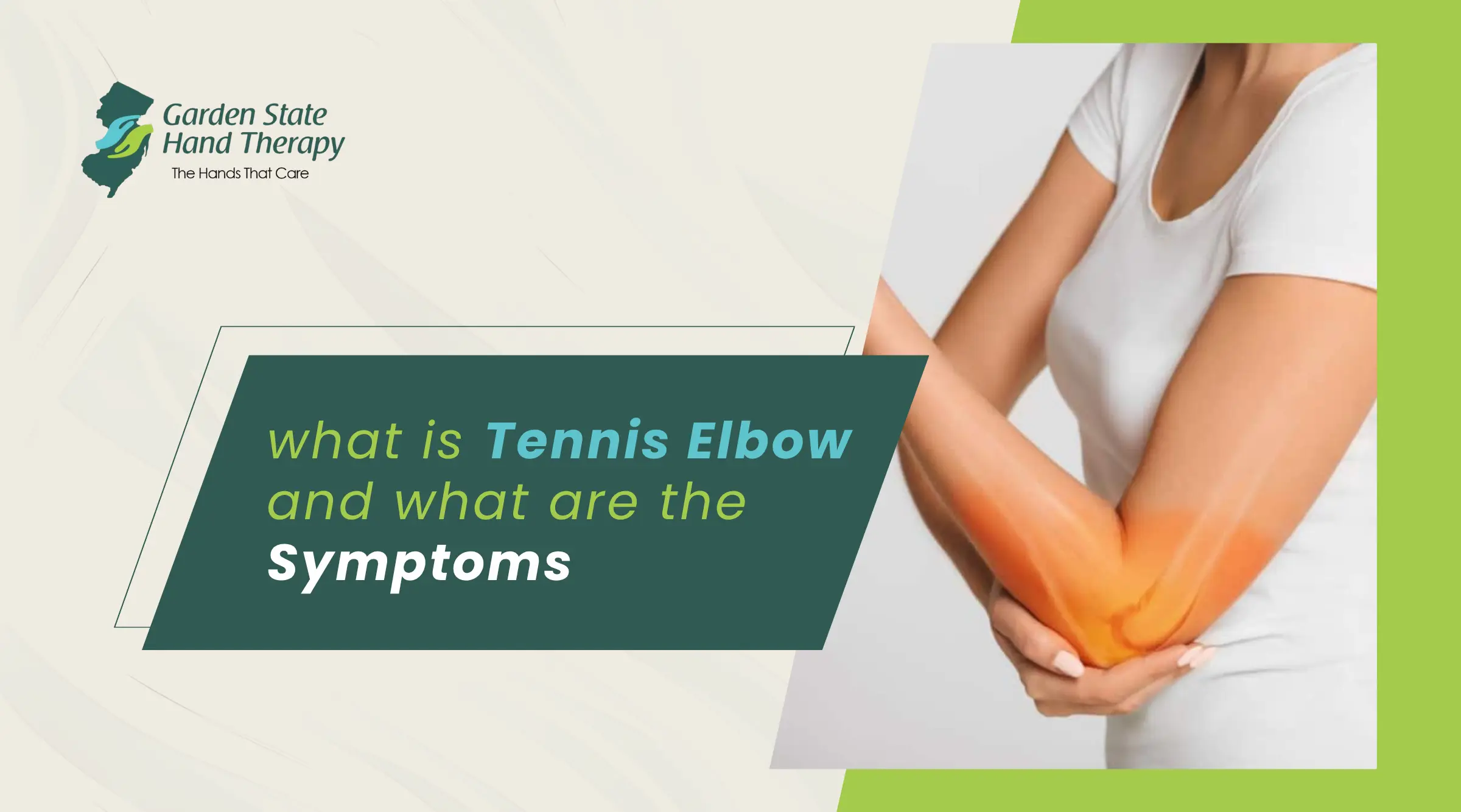
- Elbow (like tennis elbow or golfer’s elbow)
- Thumb (De Quervain’s)
- Shoulder (shoulder impingement)
- Forearm or near the elbow (radial tunnel)
These are the kinds of problems we see and treat at our clinic.
How Tendon Pain Feels
Tendon pain can feel like:
- A dull ache when you move
- Sharp pain with certain moves
- Swelling or warmth near the tendon
- Trouble gripping or lifting things
If the pain lasts more than a few days, it is good to get help.
How We Help at Garden State Hand Therapy
We are a team that helps hands, wrists, elbows and shoulders feel better. We use simple tests and gentle care plans. We teach you how to rest the tendon and how to move it safely. We do not only treat pain. We also teach ways to stop the pain from coming back.
Our care may include:
- Easy exercises to make muscles strong.
- Safe stretches to help the tendon heal.
- Splints or braces to protect and rest the tendon.
- Cold or heat to ease pain.
- Advice for work or sport to lower the strain on the tendon.
- Hands-on care to help the tendon move well.
We work with doctors when a case needs extra steps. We make plans that fit each person.
Conditions We Treat That Cause Tendon Pain
We treat many types of tendon and nerve problems, such as:
- Carpal tunnel syndrome and repetitive trauma problems.
- Cubital tunnel syndrome.
- De Quervain’s tenosynovitis.
- Tennis elbow and golfer’s elbow.
- Radial tunnel syndrome.
- Shoulder impingement.
- Thumb CMC arthritis and other joint conditions.
- Various types of tendinitis.
- Trigger fingers, sprains and strains.
- Wrist, hand, forearm and elbow fractures.
- Tendon injuries and nerve injuries of the hand.
If you have any of these, we can help you feel better and move with less pain.
Meet Our Lead Therapist
Dr. Arpita Dharia
Our lead is an occupational therapist with many years of experience. She uses care that is backed by research. She makes treatment plans that fit each person. She listens to you and answers your questions in a kind way.
Simple Tips to Help a Sore Tendon at Home
- Rest the sore part. Try to stop the movements that make it worse for a few days.
- Use cold packs for 10 to 15 minutes to ease swelling.
- Try gentle pain medicine if a doctor says it is OK.
- Do small, slow exercises that your therapist shows you.
- Keep your work area comfy. Use tools and chairs that fit your body.
These tips help a lot. But if pain does not get better, see a hand therapy clinic.
When to Get Help
Get help if:
- Pain lasts more than a week.
- You cannot move your hand or arm well.
- The area is very swollen or red.
- You have numbness or tingling.
Early care often stops more serious problems later.
What to Expect in Therapy
At your first visit, we ask simple questions and do a gentle check. We will tell you what is wrong and why. Then we make a plan. The plan can include home exercises and short clinic visits. We will teach you how to protect the tendon while keeping strength.
We want you to do things you love. Our team helps you get back to work, play and daily tasks.
Final Words
Tendons can get sore for many reasons. Most tendon pain gets better with the right care. We care about your comfort. We will listen and help you step by step. If you have tendon pain, reach out so we can make a plan together.
FAQs
Can I try home care first?
Yes. Rest, ice for 10 minutes and small, gentle moves your therapist shows you can help.
What will a hand therapist do?
At Garden State Hand Therapy, we check your hand, teach easy exercises and give splints if needed.