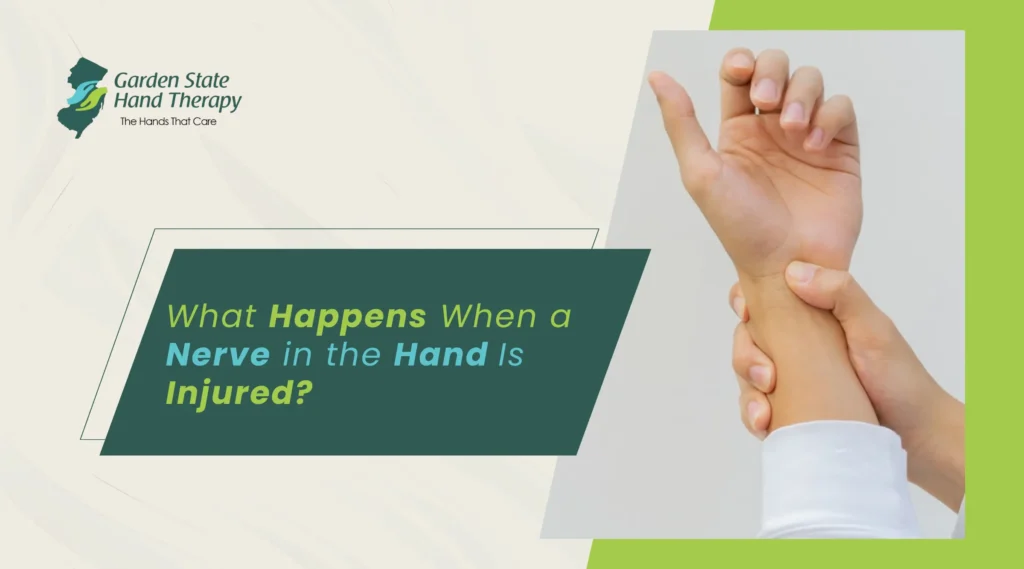
A nerve in the hand plays a vital role in both sensation and movement by transmitting signals between the hand and the brain. When this nerve is damaged, it can significantly affect daily functioning. Individuals may experience symptoms such as pain, numbness, weakness, or a burning sensation. In some cases, this can also impair fine motor skills, making it difficult to grasp, hold, or manipulate small objects.
A cut, a fall, a fracture, pressure, or repeated use can cause a hand nerve injury. It also may occur with such issues as carpal tunnel syndrome, cubital tunnel syndrome, or any other repetitive trauma injuries. When this occurs, the hand might not function as it is expected to.
Signs of a Nerve Injury in the Hand
Not all nerve injuries will appear the same way. Certain symptoms can be readily spotted. Others come on slowly.
Common signs include:
- Numbness or tingling
- Burning pain
- Weak grip
- Trouble moving fingers
- Numbness in a part of the hand
- Hand clumsiness
- Pain that increases with usage
In some cases, an individual might drop things frequently. They can also experience that their hand is asleep. Even when the pain is minimal, the hand can be weak in certain instances.
Why Nerves Matter So Much
Nerves are like tiny message wires. They help you feel hot, cold, touch and pressure. They also help your muscles move properly.
When a nerve is injured, those messages do not travel well. That means:
- The brain may not get the right signals from the hand
- The hand may not respond the way you want
- Simple tasks may feel slow or hard
This can make it difficult to write, open jars, button clothes, or hold a phone. Even small jobs can become tiring.
Common Causes of Hand Nerve Injury
A nerve in the hand can be injured in many ways. Some of the most common causes include:
- A deep cut or wound
- A broken wrist, hand, forearm, or elbow
- Pressure on the nerve from swelling
- Repetitive hand motion
- Sports injuries
- A fall or accident
- Swelling from tendon problems or arthritis
Some people also get nerve pain from conditions like carpal tunnel syndrome, cubital tunnel syndrome, or radial tunnel syndrome. These problems can press on a nerve and cause pain, numbness and weakness over time.
What It Feels Like Day to Day
A nerve injury can change the way you use your hand all day long. You may wake up with numb fingers. You may feel pain when you try to hold a spoon, write, or carry a bag. You may also feel tired because your hand has to work harder than normal.
People with hand nerve pain may notice:
- Slower hand use
- Poor finger control
- Trouble with buttons or zippers
- Less strength in the thumb or fingers
- Pain after typing or doing chores
Some people try to ignore the problem, but nerve injuries often need care. Waiting too long can make recovery harder.
How Hand Therapy Can Help
Hand therapy can be a big help after a nerve injury. It focuses on making the hand stronger, safer and easier to use again. Treatment is often made for the person’s exact needs.
Garden State Hand Therapy offers expert rehabilitation with personal care. Their work helps people regain hand strength and function after injuries and other upper extremity problems. They treat nerve injuries, tendon injuries, arthritis, trauma, sprains, strains and more.
A hand therapist may help with:
- Pain relief
- Better motion
- Better strength
- Better hand use
- Safety during healing
They may also teach the person how to protect the hand while it heals.
What Treatment May Include
Treatment depends on the injury and how serious it is. A hand therapist may use different methods to help with healing.
These may include:
- Gentle hand exercises
- Manual techniques
- Splints or custom orthotics
- Education about hand care
- Activity changes
- Support for daily tasks
Garden State Hand Therapy also creates custom orthotics and prosthetics when needed. This can help support the hand, ease pain and protect the injured area.
The goal is not just to reduce pain. The goal is to help the hand work better in real life.
Why Early Care Matters
A nerve injury should not be ignored. The sooner it is checked, the better the chance of a good recovery. Early care can help reduce pain, protect movement and stop the problem from getting worse.
Getting help early may also:
- Lower swelling
- Improve healing
- Prevent more damage
- Help you return to work or home tasks sooner
If the nerve is pressed, stretched, or cut, a trained provider can guide the next step. That may include therapy, medical care, or both.
How Garden State Hand Therapy Supports Healing
Garden State Hand Therapy uses evidence-based care. That means treatment is based on methods that are proven and trusted. Arpita Dharia, the founder, specializes in hand therapy and upper extremity injuries. She also communicates with referring doctors, which helps make care more connected and complete.
Their care is helpful for many problems, including:
- Carpal tunnel syndrome
- Cubital tunnel syndrome
- De Quervain’s tenosynovitis
- Tennis elbow
- Golfer’s elbow
- Radial tunnel syndrome
- Shoulder impingement
- Thumb CMC arthritis
- Tendinitis and tendonitis
- Trigger fingers
- Sprains and strains
- Fractures
- Tendon injuries
- Nerve injuries
This wide range of care matters because hand pain is not always just one problem. Sometimes more than one area needs help.
Final Thoughts
Injured nerves in the hand cause pain, numbness, or weakness, making simple tasks hard. However, the good news is that care will help. Many individuals with the correct therapy are able to improve their hand movement, lessen pain and resume normal living.
Hand therapy can make a big difference. It helps the hand recover better and work more effectively. Garden State Hand Therapy offers personal care for people with hand or upper limb injuries. This includes nerve problems. Their focus is on guiding the healing process in the right direction.
FAQs
Why does my hand feel weak after nerve injury?
The nerve helps the hand move. When it is hurt, the hand may not get the right signals.
What are common signs of nerve trouble in the hand?
Common signs are numbness, burning pain, weak grip and trouble moving fingers.