
Sports injuries and orthopedic issues can make daily life tough. A hurt wrist, elbow, shoulder, or hand can stop you. You might struggle to work, lift, or play. Resting can also be tough. Many people think they must just wait for the pain to go away. Physical therapy helps the body heal. It is safe. It is steady.
Physical therapy helps people move better. It makes them feel stronger. It also helps them return to normal life step by step.
What Physical Therapy Does
Physical therapy is care that helps the body heal and work better. It uses movement, stretching, strengthening and hands-on care. A therapist looks at the injury, pain and movement problems. Then they make a plan that fits the person.
Physical therapy may help by:
- Lowering pain
- Reducing swelling
- Improving motion
- Building strength
- Helping the body heal after injury
- Teaching safe ways to move
- Helping prevent another injury
This kind of care is not rushed. It gives the body time to recover the right way.
Why Sports Injuries Need Care
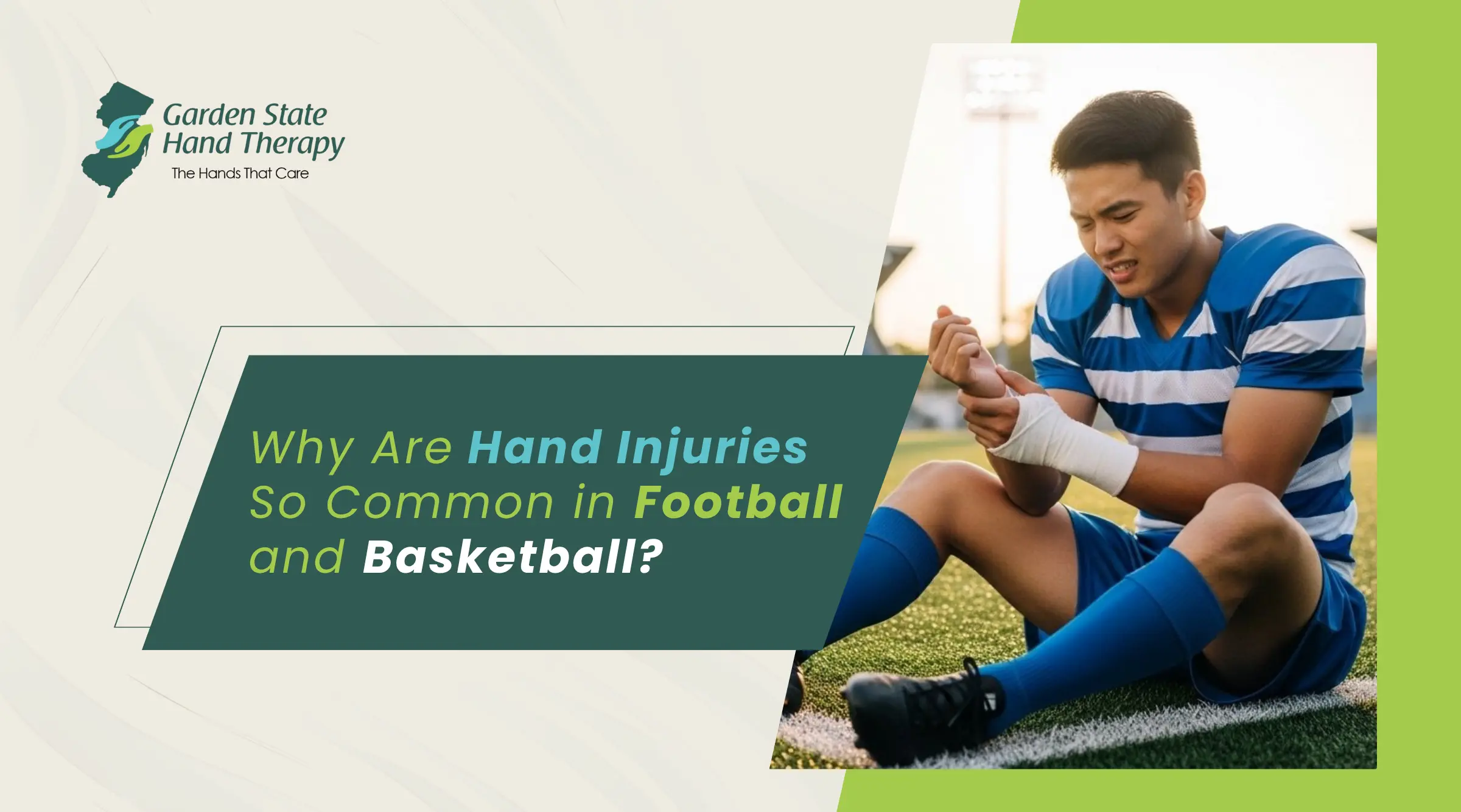
Sports injuries can happen fast. A person may twist a wrist, pull a muscle, or strain a tendon during a game or workout. Some injuries are small. Others can last a long time if they are not treated well.
Common sports-related problems can include:
- Sprains
- Strains
- Tendon pain
- Shoulder pain
- Elbow pain
- Hand pain
- Wrist pain
- Nerve pain
Physical therapy helps because it does more than cover pain. It works on the real problem. If a shoulder is weak, a therapist helps build it up. If a hand is stiff, therapy helps it move more easily. If an arm hurts from repeated use, therapy can help it rest and heal.
How It Helps Orthopedic Injuries
Orthopedic injuries affect bones, joints, muscles, tendons and nerves. These injuries can come from sports, accidents, overuse, or aging. They may cause pain, swelling, weakness, or trouble moving.
Physical therapy can help orthopedic injuries by:
- Improving joint movement
- Helping weak muscles grow stronger
- Making stiff areas more flexible
- Teaching safe movement habits
- Helping after fractures
- Helping after tendon or nerve injuries
For example, after a wrist fracture, a person may feel stiff and weak. Therapy can restore movement in the hand and wrist. After a tendon injury, gentle treatment may help the area heal and get stronger over time.
Common Conditions Treated
Garden State Hand Therapy addresses various issues related to the upper body. Some of the most common ones include:
- Carpal tunnel syndrome
- Cubital tunnel syndrome
- De Quervain’s tenosynovitis
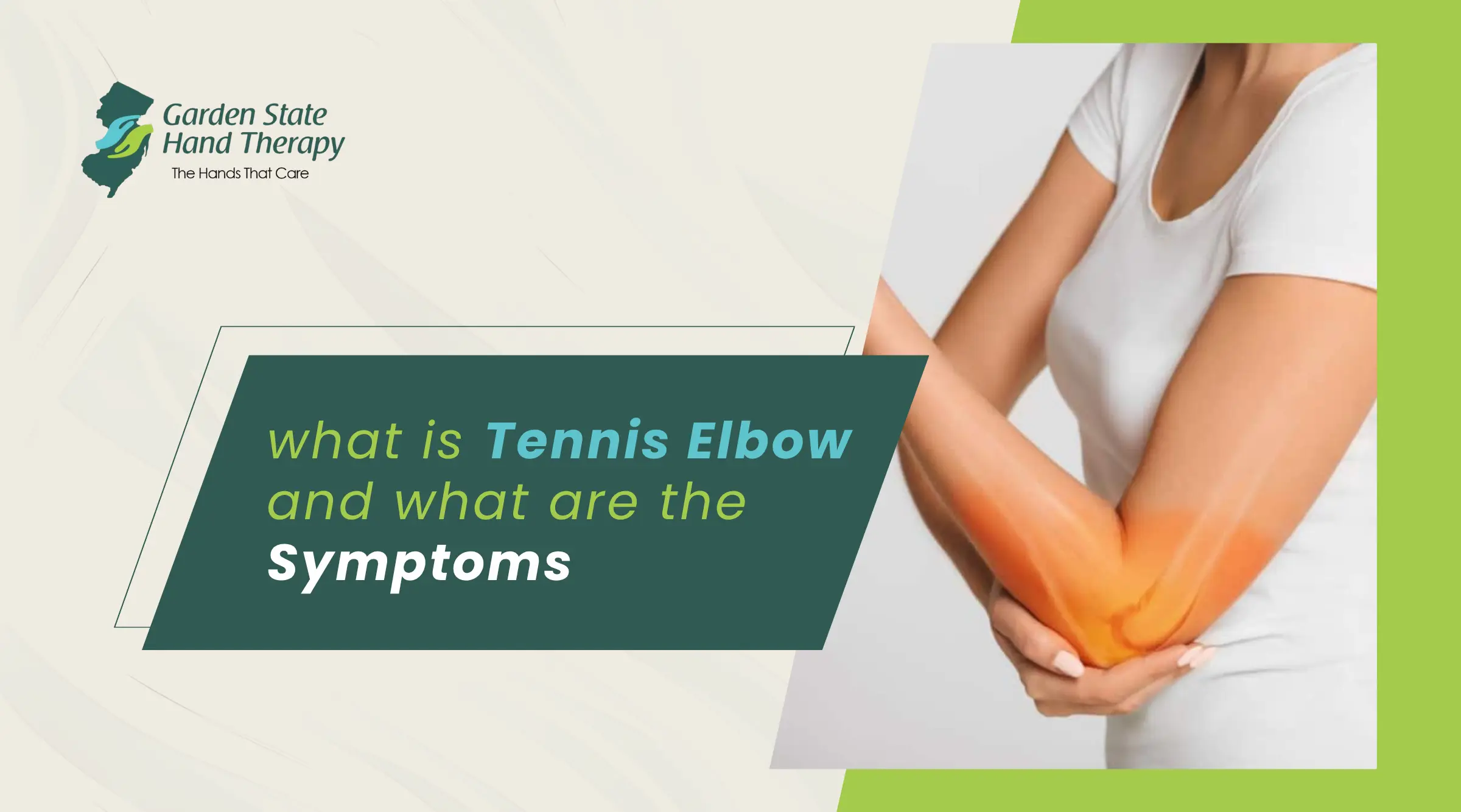
- Tennis elbow
- Golfer’s elbow
- Radial tunnel syndrome
- Shoulder impingement
- Thumb CMC arthritis
- Tendinitis and tendonitis
- Trigger fingers
- Sprains and strains
- Fractures of the wrist, hand, forearm, or elbow
- Tendon injuries
- Nerve injuries
These problems can make simple tasks hard. Turning a key, holding a cup, typing, or carrying a bag may hurt. Physical therapy can make these actions easier again.
What Happens During Therapy
Each therapy visit may be different, but the goal is the same. The goal is to help the person heal and move better.
A therapy plan may include:
- Gentle stretches
- Strength exercises
- Movement drills
- Pain relief methods
- Hands-on care
- Home exercises
The therapist may also teach the person how to protect the injured area. This is important because some people try to do too much too soon. That can slow healing. Therapy helps people find a safe pace.
Benefits of Physical Therapy
Physical therapy can bring many benefits for sports and orthopedic injuries.
Some of the biggest benefits are:
- Less pain in daily life
- Better grip and hand use
- More arm and shoulder movement
- Stronger muscles
- Better balance and control
- Faster return to normal tasks
- Lower chance of getting hurt again
It also helps with confidence. When someone knows how to move safely, they often feel less fear about using the injured body part again.
Why Hand, Wrist and Arm Care Matters
Many sports and orthopedic injuries affect the upper body. Hands, wrists, elbows and shoulders are used all day long. When one of these areas is hurt, it can affect everything.
A person may have trouble with:
- Dressing
- Writing
- Cooking
- Driving
- Lifting objects
- Playing sports
- Sleeping well
This is why focused care is so helpful. Garden State Hand Therapy works with the parts of the body that are used in nearly every task. Care for these areas can make a big difference in daily life.
Good Habits That Help Healing
Along with therapy, healthy habits can support recovery.
Helpful habits include:
- Resting the injured area when needed
- Doing home exercises as told
- Using proper form during activity
- Avoiding overuse
- Wearing support if advised
- Keeping follow-up visits
Small steps matter. Healing often happens best when the person stays patient and steady.
When To Get Help
It is a good idea to get help if pain does not go away, movement is hard, or the injury keeps getting worse. Signs that care may be needed include:
- Soreness that continues for several days
- Swelling that does not improve
- Weakness in the hand or arm
- Numbness or tingling
- Trouble gripping or lifting
- Stiffness after a fall or injury
Getting care early can help stop the problem from becoming worse.
Final Thoughts
Physical therapy helps heal sports and orthopedic injuries. It lowers pain. It restores motion. It builds strength. Therapy helps with hand, wrist, elbow, forearm, or shoulder issues. It can help you get your freedom back.
Garden State Hand Therapy helps with many injuries.
These include:
- Carpal tunnel syndrome
- Tendon issues
- Fractures
- Sprains
- Strains
- Trigger fingers
With proper care, people can heal. They can slowly return to the activities they love.
FAQs
Can therapy help with tendon and nerve injuries?
Yes. Therapy can support healing and make daily movement easier.
When should someone start physical therapy?
It is best to start when pain, swelling, or movement trouble does not get better.