
Getting back to sports after an injury can feel scary. You may want to play again, but you do not want to make the pain worse. That is where specialized physical therapy for athletes and hand therapy can help.
At Garden State Hand Therapy, we help people learn how to recover from sports injury and return in a safe way. We care for the hand, wrist, forearm, elbow, and shoulder. We also provide athletic physical therapy for many sports-related injuries and overuse problems. Our goal is simple. We want you to move better, feel stronger, and return with more confidence.
Why Sports Injuries Need Care
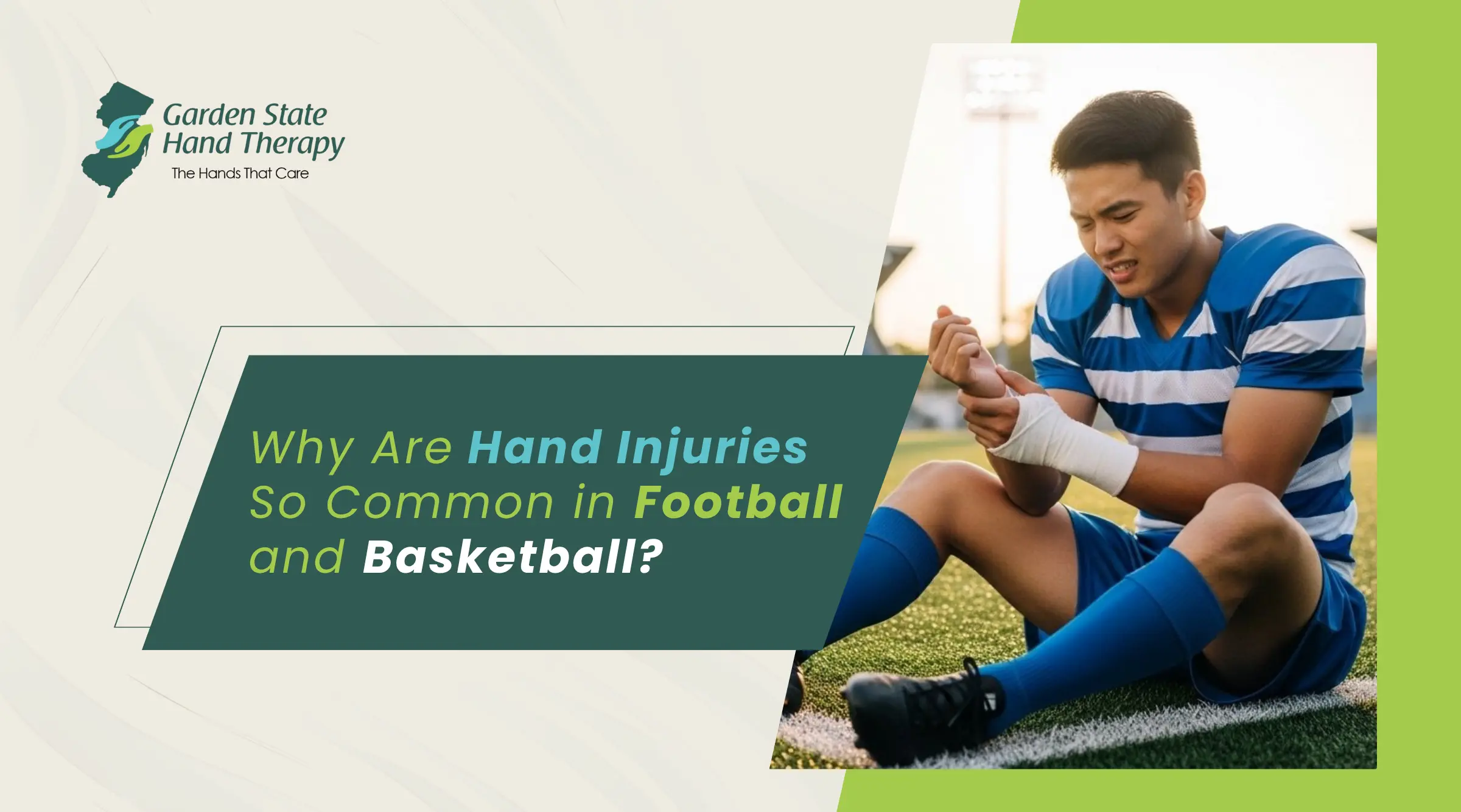
Sports may strain your body on a daily basis. The hand and arm can be injured by a quick throw, a sharp swing, a fall, or the repetition of the same action. There are injuries that occur in a single instance. Other ones grow gradually.
Some of the common problems may include:
- Sprains and strains
- Wrist, hand, forearm, or elbow fractures
- Tendon injuries
- Nerve injuries
- Trigger finger
- Carpal tunnel syndrome
- Cubital tunnel syndrome
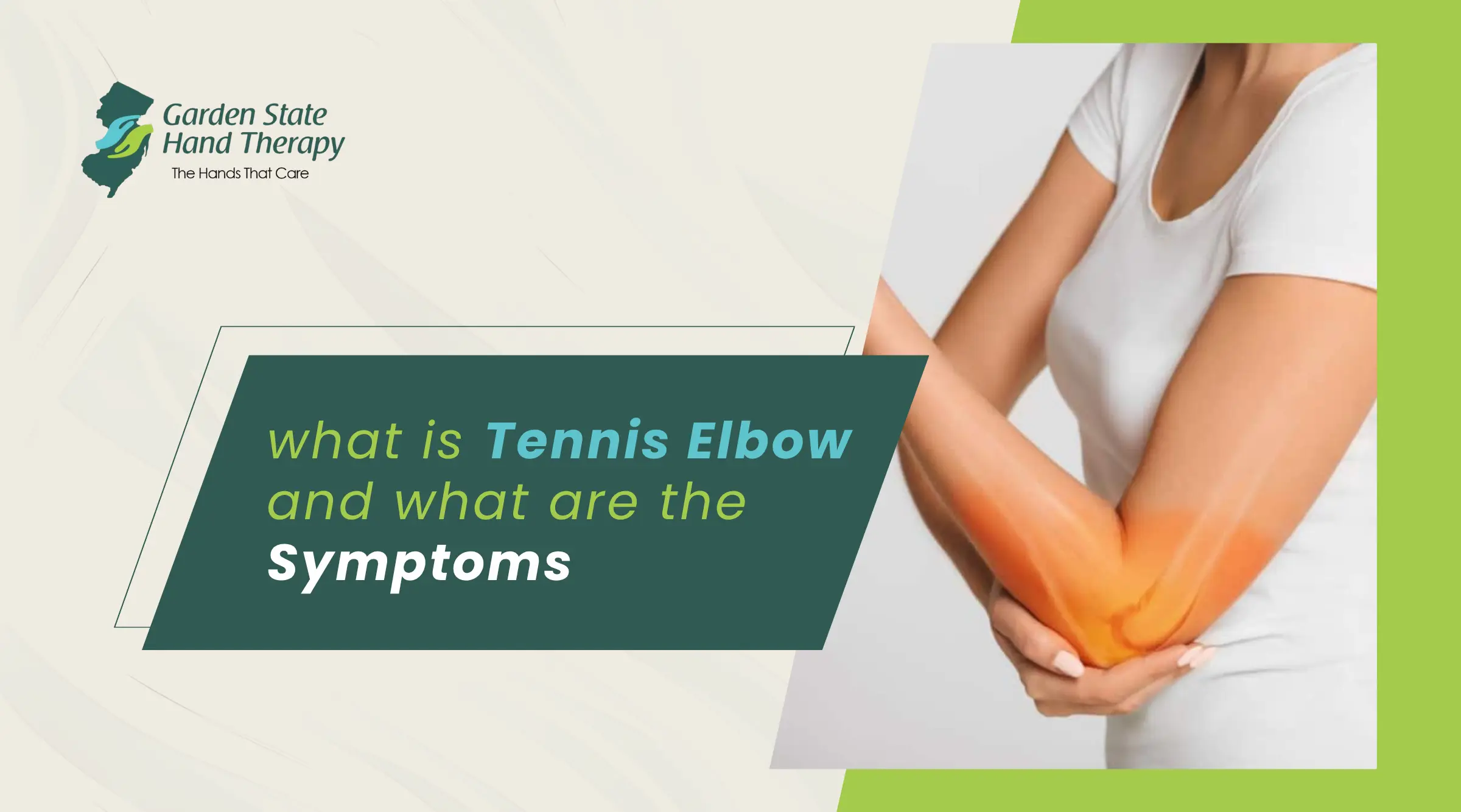
- Tennis elbow
- Golfer’s elbow
- Radial tunnel syndrome
- Shoulder impingement
- Thumb CMC arthritis
- Tendinitis and tendon pain
Such issues may render it difficult to hold a bat, a ball, a racket, or your body when exercising. Other individuals also experience pain during lifting, reaching, or twisting.
How Physical Therapy Helps You Heal
Physical therapy supports your body in recovering properly. It is not just about pain relief. It is also about getting you ready to move, train, and play again.
Highlighting the benefits of physical therapy for athletes, a good therapy plan can help you:
- Reduce pain and swelling
- Improve motion in the joints
- Build strength in weak muscles
- Protect the injured area
- Restore normal hand and arm use
- Lower the chance of getting hurt again
When you return to sports too soon, the injury may come back. Therapy helps you recover step by step. That means you heal with care, not rush.
What We Focus on At Garden State Hand Therapy
Garden State Hand Therapy offers expert hand therapy with nearly 20 years of experience. We give personal care to help you regain hand strength and function. Our care is based on evidence. That means we use treatment methods that are supported by experience and research.
We help people with:
- Carpal tunnel syndrome and repetitive trauma disorders
- Cubital tunnel syndrome
- De Quervain’s tenosynovitis
- Tennis elbow and golfer’s elbow
- Radial tunnel syndrome
- Shoulder impingement
- Thumb CMC and other arthritis problems
- Tendinitis and tendonitis
- Trigger fingers
- Sprains and strains
- Wrist, hand, forearm, and elbow fractures
- Tendon injuries and nerve injuries
We also create custom orthotics and prosthetics when needed. These can help support the injured area and improve healing. We use manual techniques, patient education, and clear communication with referring doctors to support each step of care.
What Therapy May Look Like
Every person is different. Your strategy must align with your physique, the sport you play, and your objectives. Some people need help after a fall. Others need care from repeated practice or training.
Your therapy may include:
- Gentle movement to keep joints from getting stiff
- Strength exercises to rebuild control
- Stretching to improve flexibility
- Pain and swelling control
- Custom splints or supports
- Sport-specific drills
- Education on safe movement and body use
For example, a baseball player may need help with grip strength and wrist control. A tennis player may need help with elbow pain and forearm strength. A basketball player may need help after a finger sprain or hand fracture. Therapy is shaped around the sport you play.
How Therapy Supports a Safe Return
A safe return to play means more than just feeling less pain. You should be able to move well, build strength, and trust your body again.
Therapy can help you return safely by checking:
- Pain levels
- Range of motion
- Grip strength
- Arm and hand control
- Ability to do sport moves
- Confidence during play
You may begin with light activity first. Then you slowly move to harder drills. This slow return helps your body adjust. It also lowers the risk of a new injury.
Signs You May Be Ready to Play Again
Your therapist may look for signs that your body is ready. These can include:
- Less or no pain during movement
- Better strength in the hand or arm
- Full or near full motion
- Good control during sport tasks
- No swelling after practice
- Ability to do your normal moves without trouble
It is important to listen to your body. Pain is not always a sign to push harder. Sometimes it is a sign to slow down and heal more.
Why Custom Care Matters
No two sports injuries are the same. A small finger sprain is not the same as a tendon injury. A tennis elbow case is not the same as a wrist fracture.
That is why custom care matters. At Garden State Hand Therapy, we build a plan around your needs. We do not give the same care to everyone. We look at your injury, your sport, and your daily life.
This kind of care can help you:
- Heal with less stress
- Return with better movement
- Learn safe ways to train
- Protect your hands and arms in the future
Final Thoughts
Physical therapy helps you navigate a safe return to sport. It keeps you safe. It is able to cut the pain, restore strength, and make you move more confidently. It also allows you not to press too hard and get injured once again.
Garden State Hand Therapy are here to help with hand, wrist, elbow, and upper body injuries using evidence-based treatment and 20 years of experience to get you back to your favorite sports. When your hand, wrist, elbow, or shoulder is holding you out of the game, the correct course of treatment will get you back on your feet.
FAQs
Why should I not rush back to sports after an injury?
If you go back too soon, the injury may get worse. Slow healing helps your body stay safe.
What kinds of injuries can therapy help with?
Therapy can help with sprains, strains, fractures, tendon pain, nerve pain, and other hand, wrist, elbow, and shoulder problems.